












Find Insurance Markets,
Get Quotes

Simply search by coverage or keyword and find the market you are looking for in seconds.

ProgramBusiness Banner Image

This Week's Featured Markets

Stay Up To Date on New Markets

Stay Up To Date on New Markets

Get alerts to your inbox on new and trending markets each week.

=

Connecting People with Insurance Problems to People with Insurance Solutions

Whether you are a Carrier, MGA, Wholesale, Retail Agent, or Broker, we have a solution for you. Leverage our platform to streamline your processes and grow your business.

Looking For Market Distribution?

ProgramBusiness for Carriers, MGA’s & Wholesalers

Our robust platform enables agents to quickly contact you and begin the underwriting, quoting, and submission process.

Schedule a demo Learn More
ProgramBusiness for <span>Carriers, MGA’s & Wholesalers</span> 1

Get a searchable business directory, with any number of program listings

ProgramBusiness for <span>Carriers, MGA’s & Wholesalers</span> 2

Get your program in front our our network of over 80,000+ independent agents

ProgramBusiness for <span>Carriers, MGA’s & Wholesalers</span> 3

Market your programs via on site ads and email marketing campaigns

Looking for a Market?

ProgramBusiness for Retail Agents & Brokers

Find the perfect market for your risk. Search by coverage or keyword and region and start getting quotes immediately.

Sign Up for Free Learn more
ProgramBusiness for <span>Retail Agents & Brokers</span> 1

Search 350+ Specialty Programs by coverage or keyword

ProgramBusiness for <span>Retail Agents & Brokers</span> 2

Submit Acords, Drivers’ Schedules, and Loss Runs directly on the platform

ProgramBusiness for <span>Retail Agents & Brokers</span> 3

Try new niche markets and expand your footprint in industries you already serve

ProgramBusiness News

The world of insurance delivered. Insurance Industry News carefully curated by insurance industry experts. Stay up to date on breaking news, industry changes and updates, and press releases from all the major players.

Sign Up to Receive Updates Straight to Your Inbox
California Lawmakers Introduce Bill to Establish Smoke Damage Standards for Insurance Claims

California Lawmakers Introduce Bill to Establish Smoke Damage Standards for Insurance Claims

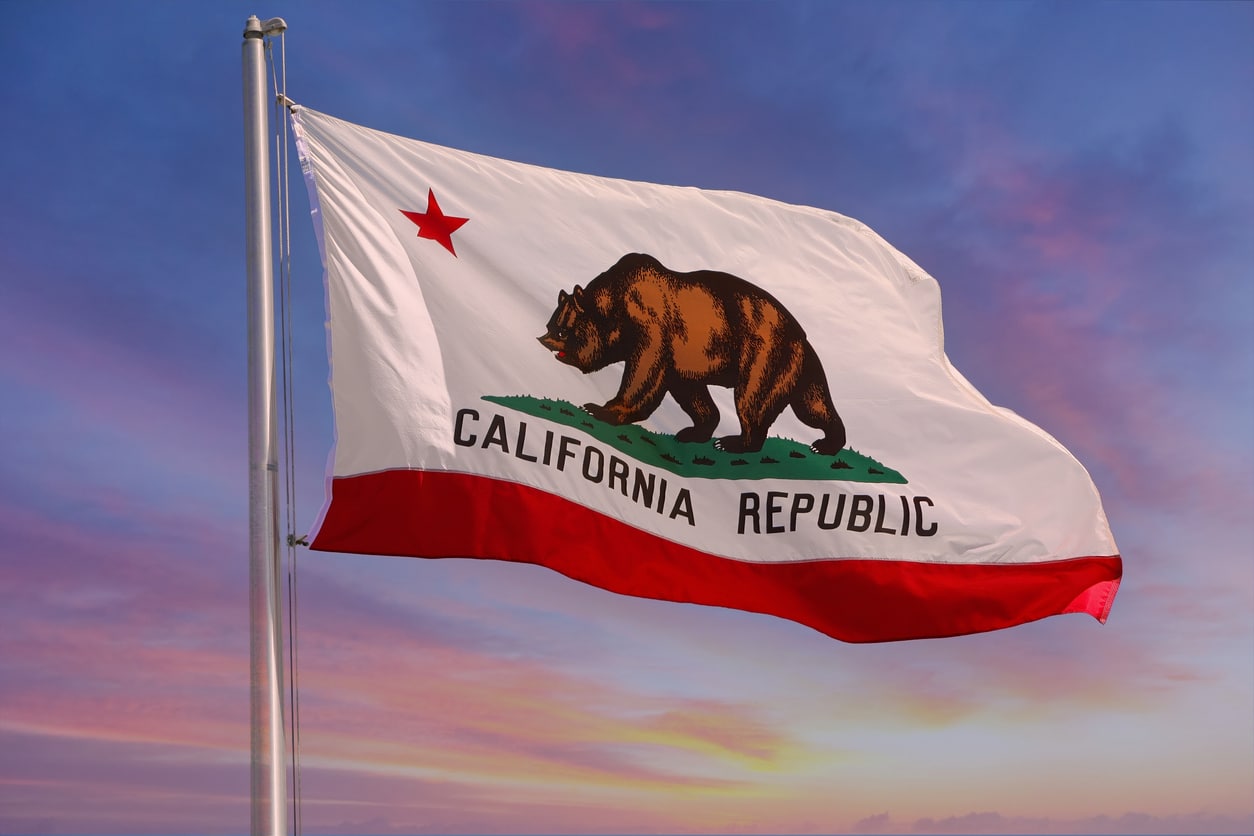
Recovery efforts following major Los Angeles wildfires are shifting toward legislative action as California Insurance Commissioner Ricardo Lara and Assemblymember Mike Gipson introduced the Smoke Damage Recovery Act (AB 1795). The proposed legislation aims to establish a statewide framework for handling wildfire smoke damage insurance claims, which officials describe as the first effort of its kind in the United States.

The bill arrives after record wildfire activity in California. The January 2025 Eaton and Palisades fires destroyed thousands of homes and contaminated many more with smoke, soot, ash, and other toxic combustion byproducts. From January through November of that year, more than 42,000 insurance claims were filed following those fires. Among those were more than 13,000 claims involving homes that remained standing but sustained smoke damage.

Proposed Statewide Framework for Smoke Damage Claims

AB 1795 would create uniform standards for evaluating and restoring homes affected by wildfire smoke. The legislation would require that contaminated homes undergo proper inspection and remediation so they can be restored to safe and habitable conditions. It would also establish accountability measures for insurers if the required standards are not met.

According to Insurance Commissioner Ricardo Lara, the absence of statewide standards has created challenges during the claims process.

“After devastating wildfires, families should not have to fight to prove their homes are unsafe,” Lara said. “Right now, the absence of statewide standards has created confusion, unfair claims handling, and uncertainty for families already coping with unimaginable losses. Consumer protection is my number one priority and we are working to establish clear rules so that homeowners are protected and survivors can safely move back into their restored homes knowing they do not face lifelong health risks.”

Assemblymember Mike Gipson said the measure aims to simplify the recovery process for policyholders after wildfire events.

“After a wildfire, recovery should not depend on a homeowner’s ability to navigate complex insurance disputes while their life is already turned upside down,” Gipson said. “More than a year after the most devastating fires Los Angeles has ever seen, there is no reason to delay. I am dedicated to swift passage of AB 1795, the Smoke Damage Recovery Act, to pave the way for a better process that insurance policyholders can rely upon.”

Task Force Report Highlights Gaps in Current Practices

The legislation follows the release of a report from the California Department of Insurance’s Smoke Claims and Remediation Task Force. The nine-month effort brought together public health experts, fire safety professionals, smoke remediation specialists, industrial hygienists, consumer advocates, and representatives from the insurance industry.

The task force concluded that wildfire survivors currently face gaps in inspection, testing, and restoration processes related to smoke damage. Participants agreed that statewide standards could provide clearer guidance to insurers and improve homeowner safety outcomes.

Amy Bach, executive director of United Policyholders and a member of the task force, said consistent standards are needed to address disputes over smoke-damage claims.

“People who paid for insurance protection, then had their homes contaminated by wildfire smoke and debris, deserve to have their homes restored to pre-loss condition, not be mired in delays, costly disputes, stress and frustration,” Bach said. “This bill will pave the way for critically needed indoor air quality and remediation standards and claim handling protocols.”

The task force produced a 64-page report that included recommendations from wildfire survivor groups and a review of scientific and technical research. The report also identified areas where experts and stakeholders disagreed on inspection and restoration practices, highlighting the Legislature's role in establishing clear standards through the public policymaking process.

Key Provisions Included in the Smoke Damage Recovery Act

The Smoke Damage Recovery Act proposes several requirements related to smoke damage claims and remediation procedures.

The legislation would:

  • Create statewide protocols for inspection, sampling, and testing of smoke-related contaminants in residential homes
  • Require insurers to follow consistent remediation standards to restore homes to pre-loss condition
  • Prevent insurers from terminating Additional Living Expenses benefits until a home is cleared as safe for habitation
  • Require insurers to inspect smoke damage claims within 30 days of receiving notice
  • Establish timelines for claim payments to ensure funds are delivered promptly
  • Create training and certification programs for professionals involved in smoke damage assessment, testing, and restoration

The bill also includes an early action provision. If a state or local health or environmental agency issues standards for interior smoke testing, screening levels, or restoration, policyholders could use those standards immediately to support and accelerate insurance claims.

Role of State Agencies in Developing Standards

If enacted, AB 1795 would direct several state agencies to develop and enforce science-based guidance for smoke-damage claims. Agencies involved would include the California Environmental Protection Agency and the California Department of Insurance.

Officials say the goal is to ensure consistent evaluation and remediation of wildfire smoke damage across the state.

The task force recommendations, combined with the proposed legislation, represent an effort to establish a structured approach to handling smoke-damage claims after wildfires.

AB 1795 is expected to be heard next month once it is referred to an Assembly policy committee.

Get the latest insurance market updates and discover exclusive program opportunities at ProgramBusiness.com
Read More
Hawaii Officials Encourage Prompt Insurance Claims After Severe Weather

Hawaii Officials Encourage Prompt Insurance Claims After Severe Weather

Following recent high winds and heavy rain across Hawaii, the Hawaii Department of Commerce and Consumer Affairs Insurance Division is reminding residents to review their insurance coverage and file claims promptly if they experience storm-related damage.

Officials advise that homeowners, renters, and vehicle owners contact their insurance company or agent immediately after discovering damage. Reporting losses quickly allows insurers to begin the claims process and helps ensure coverage is applied correctly. Policyholders should request a claim number and confirm any deadlines for submitting documentation.

The Insurance Division also recommends documenting all damage with clear photos or videos. If conditions are safe, residents should keep damaged property available for inspection until an insurance adjuster reviews it. At the same time, policyholders should take reasonable steps to prevent further damage. Examples include placing tarps over roof leaks or boarding broken windows. However, officials advise avoiding permanent repairs until the insurer approves them.

Residents should also maintain detailed records related to storm damage. This includes receipts for temporary repairs, hotel stays, meals, or other expenses connected to the event. Documentation should identify what was damaged, when the damage occurred, and what actions were taken to protect the property.

Once a claim is filed, insurance adjusters may schedule inspections or request additional documentation. The Insurance Division encourages policyholders to remain available during the process and to review settlement offers carefully. If any part of the settlement is unclear, policyholders should ask questions before accepting the offer.

To assist residents during recovery, the Hawaii Insurance Division offers a Post-Disaster Insurance Claims Guide and an instructional video that explains how to file a claim. These resources provide step-by-step information on documenting losses, understanding coverage, and communicating with insurers following a disaster.

In addition to post-storm guidance, the Insurance Division encourages residents to review their insurance policies each year. Regular policy reviews help individuals understand what coverage is included and what exclusions may apply.

Officials also recommend storing copies of insurance policies in a waterproof container or maintaining digital copies in a secure cloud storage service. Access to these records can help streamline the claims process in the event of a disaster.

Another preparedness step involves creating or updating a home inventory. Residents can photograph or record each room and document furniture, appliances, electronics, and other valuables. Maintaining receipts, serial numbers, and records for high-value items can help verify ownership and speed up claim evaluations.

The Insurance Division also reminds residents that standard homeowners, condominium unit owners, and renters insurance policies typically do not cover flood damage. Flood insurance is available separately through the National Flood Insurance Program. In most cases, flood policies require a 30-day waiting period before coverage becomes effective.

Several online resources are available to help consumers better understand their coverage. These include the guides “My Insurance Doesn’t Cover What?” and “Annual Review of Your Insurance Policies,” both offered by the Hawaii Insurance Division.

Residents seeking additional assistance can visit the Hawaii Department of Commerce and Consumer Affairs Insurance Division website or call 844-808-3222 for information about filing claims, disaster recovery resources, and insurance-related questions.

Stay informed and ahead of the curve — explore more industry insights and program opportunities at ProgramBusiness.com.

Read More
US–Iran Tensions Raise Questions About Cyber Risk for Western Businesses

US–Iran Tensions Raise Questions About Cyber Risk for Western Businesses

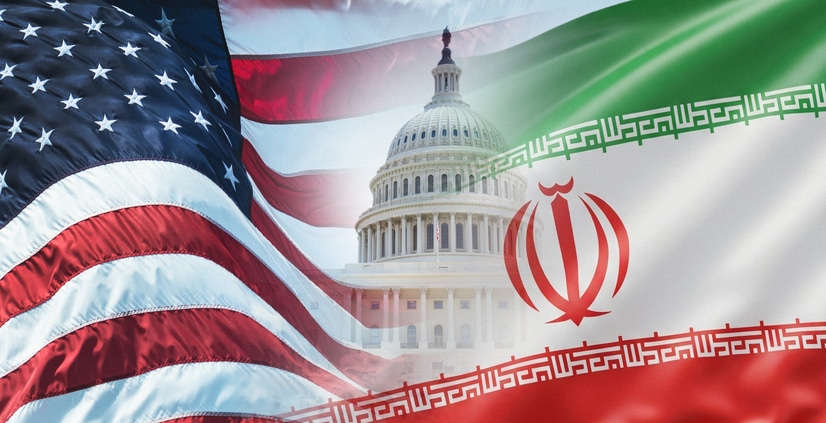
Escalating tensions between the United States, Israel, and Iran are prompting renewed attention to cyber risk among Western organizations. Cybersecurity specialists note that geopolitical developments often coincide with increased cyber activity targeting infrastructure, financial institutions, and government agencies.

However, analysts caution that the most immediate cyber threats may not originate directly from Iranian government units. Instead, allied groups, hacktivists, and proxy actors could attempt to exploit geopolitical tensions.

Matthieu Chan Tsin, SVP of resilience services at cyber insurance provider Cowbell, said several developments may be influencing where cyber threats originate.

“From a natural point of view, most escalation of cyber threats would come from actors on the ground in Iran, many of whom are tied to the Islamic Revolutionary Guard Corps,” Chan Tsin told Insurance Business. “But recent events suggest that direct cyber operations from inside Iran may actually be limited right now.”

Potential Constraints on Iran’s Cyber Operations

Iran has historically been considered a significant cyber actor. Past campaigns have targeted infrastructure, financial institutions, and government agencies in the United States and its allies. US authorities have previously warned that Iranian hackers conducted disruptive cyber incidents, including distributed denial-of-service attacks and destructive malware operations.

However, Chan Tsin pointed to three developments that may be limiting Iran’s cyber capabilities in the near term.

First, Iranian cyber units may have redirected resources toward domestic activity. Protests against the Iranian government over the past two years have required authorities to focus surveillance and cyber operations internally rather than internationally.

Second, Israel reported on March 4 in a post on X that it struck a compound in Tehran that included a cyber warfare headquarters and an intelligence directorate facility. The extent of the reported damage remains unclear. However, Chan Tsin suggested that the strike could have disrupted parts of Iran’s cybercommand infrastructure.

Third, internet connectivity inside Iran has reportedly declined sharply since late February. Data from internet monitoring organizations showed connectivity dropping to about 1 percent of normal levels during a near-total blackout. Analysts have not determined the cause, which could involve government restrictions or external cyber activity.

Taken together, these developments suggest that any cyber escalation associated with Iran could originate outside the country. According to Chan Tsin, attacks are more likely to come from proxy forces or allied groups aligned with the Iranian regime.

Increased Cyber Activity Claims Remain Uncertain

Since late February, online discussions connected to Iranian-aligned hackers have increased. Hacktivist groups and advanced persistent threat actors have posted warnings and claimed cyber operations against US and Israeli targets.

Nevertheless, analysts say many of these claims remain unverified.

“Iranian-linked groups have historically overestimated their successes or claimed attacks they did not actually conduct,” Chan Tsin said.

Iranian cyber actors are known to deploy several attack methods. These include distributed denial-of-service campaigns, ransomware attacks, credential theft, and destructive “wiper” malware designed to erase systems.

Certain sectors may face elevated exposure. Critical infrastructure operators, such as utilities, government agencies and healthcare organizations, have historically been viewed as potential targets during geopolitical disputes.

“At this point we are still very much in the fog of war,” Chan Tsin said. “Until digital forensics investigations are completed, we cannot say whether Iranian actors were involved.”

Insurers Monitoring Developments

Cyber insurers and incident response providers are closely tracking developments. However, Chan Tsin said it is too early to determine whether geopolitical tensions are affecting cyber insurance claims.

Attribution in cyber incidents can take time. Digital forensics investigations often require weeks to determine the source of an attack.

“Digital forensics investigations can take weeks,” Chan Tsin said. “So even if we eventually saw claims linked to Iranian activity, we would not necessarily know that today.”

Even so, policyholders have raised questions about geopolitical cyber risks. Iran is often considered one of the more aggressive state-linked cyber actors, alongside Russia, China, and North Korea.

Chan Tsin noted that many attacks attributed to Iranian actors rely on basic vulnerabilities rather than highly complex techniques.

“Iranian actors often go after poorly secured networks or internet-connected devices,” he said. “Their success often comes not from the sophistication of the attack but from open doors left by the victims.”

Cybersecurity Controls Remain a Priority

Given that pattern, organizations may benefit from strengthening core cybersecurity practices.

Chan Tsin highlighted three immediate actions companies should consider. First, organizations should quickly patch known vulnerabilities and update network edge devices such as routers, firewalls, and remote access systems.

Second, operational technology and industrial control systems should not be directly connected to the public internet. Systems responsible for physical infrastructure should remain isolated behind firewalls or segmented networks whenever possible.

Third, companies should strengthen identity security practices. Iranian actors have frequently used phishing campaigns, stolen credentials, and password reuse to access corporate systems.

Measures such as strong and unique passwords, restricted access privileges, and monitoring employee identities online can help reduce risk. Multi-factor authentication also remains a widely used safeguard.

For now, cybersecurity specialists emphasize that developments remain fluid.

“At this stage, everything is still developing,” Chan Tsin said. “The best mindset for organizations is to assume attacks may happen and prepare accordingly.”

Originally appearing on Insurance Business Magazine.
  Get the latest insurance market updates and discover exclusive program opportunities at ProgramBusiness.com
Read More
U.S. Commercial Insurance Rates Moderate to 2.9% as Market Stabilizes

U.S. Commercial Insurance Rates Moderate to 2.9% as Market Stabilizes

U.S. commercial insurance rates increased 2.9% in the fourth quarter of 2025, according to WTW’s latest Commercial Lines Insurance Pricing Survey (CLIPS). The increase reflects a continued moderation in pricing compared with earlier quarters in 2025 and with the same period in the prior year.

The survey compares premiums for policies underwritten in a given quarter with the same coverage lines in the prior year. This year-over-year comparison provides insight into changes in commercial property and casualty insurance pricing across the market.

Carriers reported an aggregate price increase of 2.9% in Q4 2025. This figure represents a notable decline from the 5.6% increase recorded in Q4 2024. The fourth-quarter results also show continued moderation compared with the previous two quarters of 2025, when rates increased 3.8% in both Q2 and Q3.

According to WTW, the trend reflects broader stabilization across the commercial insurance marketplace.

“Commercial insurance pricing continued to moderate in the fourth quarter, reflecting a more stable market,” said Yi Jing, senior director, Insurance Consulting and Technology (ICT), WTW. “While some lines continue to see increases, others are flattening or declining, highlighting a more measured approach across the market.”

Price growth moderated across most commercial lines in the fourth quarter. Commercial property once again recorded price decreases, while increases in general and products liability continued to slow.

At the same time, commercial multi-peril and business-owner's policy insurance experienced smaller price increases than in the previous quarter. These results further reflect the broader trend of moderation.

Excess and umbrella liability remained the lines with the largest price increases, although those increases were lower than in the prior quarter. Meanwhile, commercial auto continued to experience strong price growth.

The survey also found that pricing trends differed by account size. Small and mid-market accounts recorded more moderate increases than in earlier periods. Large-account pricing also continued to rise, though at a slower pace.

In addition, several other commercial insurance lines maintained price decreases. These declines further reinforced the overall trend of moderating rate movement across the market.

CLIPS provides a retrospective view of historical changes in commercial property and casualty insurance prices and claims cost inflation. The survey examines pricing trends based on both new and renewal business data obtained directly from insurers underwriting the policies.

Participants in the survey represent a cross-section of U.S. property and casualty insurers, including many of the top ten commercial lines companies and the top 25 insurance groups in the country.

For the most recent survey, 41 participating insurers contributed data. Together, these insurers represent approximately 20% of the U.S. commercial insurance market, excluding state workers' compensation funds.

The survey compared prices charged on policies written during the fourth quarter of 2025 with prices charged for the same coverage during the fourth quarter of 2024.

WTW publishes CLIPS as part of its analysis of historical insurance pricing trends. Additional forward-looking analysis of commercial property and casualty trends, outlook, and rate predictions appears in WTW’s Insurance Marketplace Realities series.

WTW (NASDAQ: WTW) provides data-driven solutions across people, risk, and capital. The company operates in 140 countries and markets and works with organizations to strengthen strategy, improve organizational resilience, motivate workforces, and maximize performance.

Stay informed and ahead of the curve — explore more industry insights and program opportunities at ProgramBusiness.com.

Read More

Subscribe to ProgramBusiness News

Get alerts to your inbox on insurance news.

=
Subscribe to ProgramBusiness News